The Architecture of Serenity: In Praise of Quiet Kyoto
Beyond the bustling transit terminals and central avenues lies an ancient city woven from red pine, raked gravel, and enduring silence.
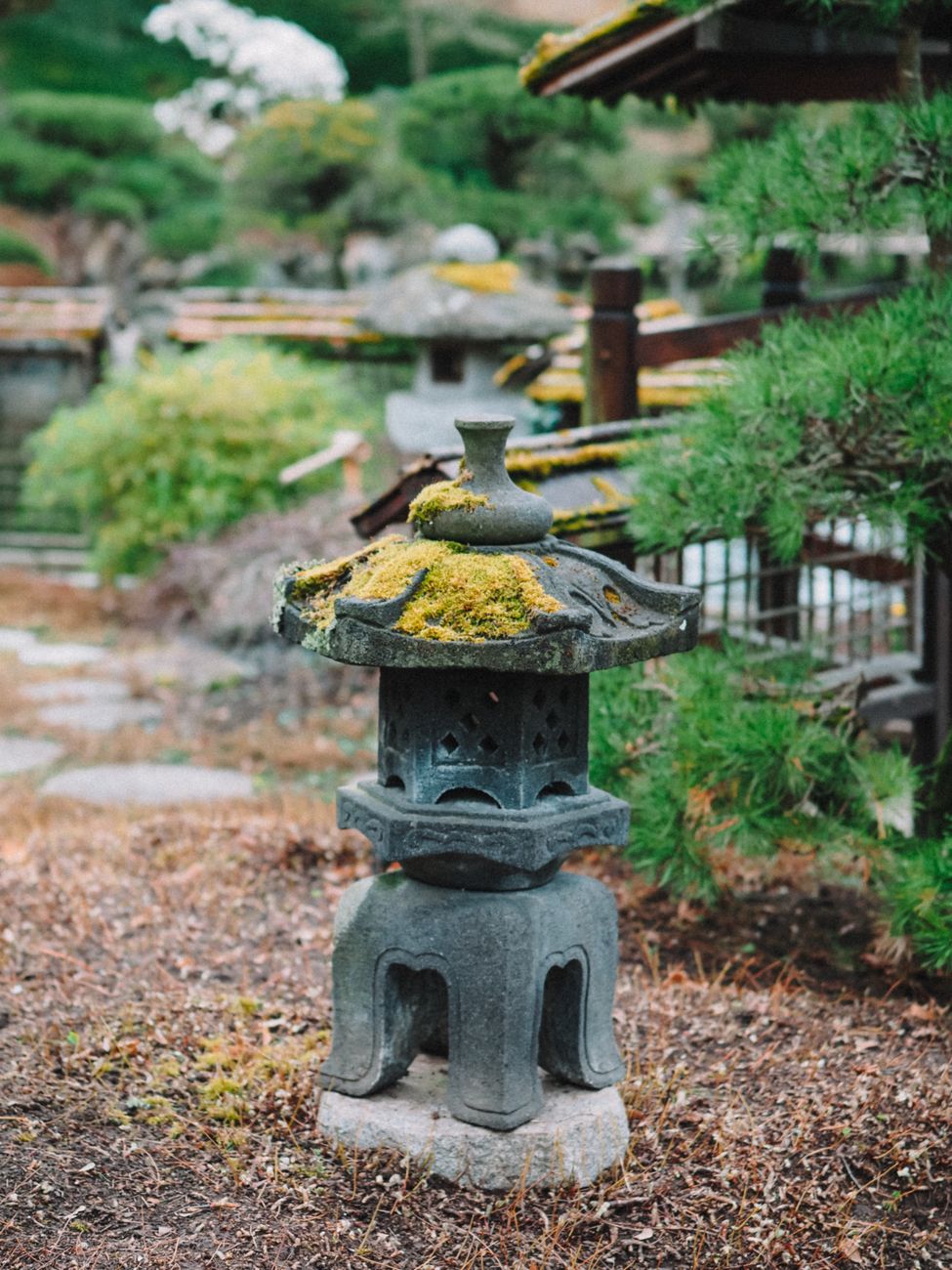
To arrive in northern Kyoto at daybreak is to witness an ancient civilization gently breathing through cypress slats. While most travelers congregate around the central golden pavilions, the soul of the old imperial capital remains quietly anchored in residential alleyways where morning mist settles on wet cobblestones.
1. The Continuity of Wooden Joinery
In traditional machiya (wooden merchant houses), every beam is notched without metal nails, designed to flex during earth tremors and breathe with the seasonal humidity. The carpentry lineage in Kansai stretches back over a millennium. Builders preserve ancient hand planes (kanna) capable of shearing wood to microscopic thicknesses, leaving surfaces with a natural satin waterproofing that lacquer cannot mimic.
"We do not build to conquer the forest; we shape timber so the living spirit of the tree remains awake inside the chamber."
2. Moss, Water & Intentional Shadows
In Daitoku-ji and surrounding sub-temples, gardeners treat fallen autumn leaves not as debris to eradicate, but as structural balance. The raked granite sands (shirakawa-suna) reflect moonlight into dark tatami chambers, while emerald moss varieties retain moisture during sweltering summers. Light in Japanese architecture is never harsh; it arrives filtered through handmade washi paper, softened into contemplative grey tones.
3. The Discipline of Quiet Tea Rituals
Entering a chashitsu (tea pavilion) requires bowing low through a miniature crawl-door (nijiriguchi). This deliberate architectural contraction strips away social rank: whether emperor or artisan, every guest enters humbled, equalized, and focused on the murmur of boiling water in the iron kettle.
4. Practical Editorial Recommendations
- Best Season: Mid-November for flame-colored maples, or late February for fragrant plum blossoms without crowds.
- Boutique Stay: Restored machiya accommodations in Nishijin, the historic weavers’ quarter.
- Etiquette: Always wear clean socks for temple floorboards; speak in murmurs; leave camera equipment in bags unless explicitly welcomed.
Plan Your Japanese Itinerary
Receive our bespoke private dossier with verified craftsman contacts, private tea rooms, and boutique ryokan bookings.
Inquire for Custom Itinerary